Tackling Pimples: 13 Tips to Take Control of Acne and Manage It Effectively
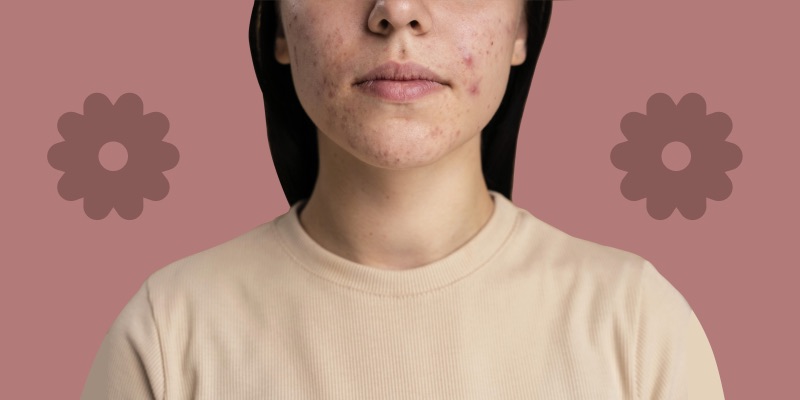
Acne is a common skin condition that affects most people at some point. It causes spots, oily skin, and sometimes skin that's hot or painful to touch.
Types of Acne
There are several types of acne, ranging from mild to severe. The mild types include blackheads and whiteheads, considered mild inflammatory acne.
Moderate to severe inflammatory acne includes pink pimples that are relatively small and sore. It consists of a mix of papules and pustules (bumps that have pus on top with a red base).
Acne is considered severe when there are nodules, cysts, or scarring. Cysts and nodules are large, painful, and deeper in the skin.
Causes of Acne
Acne occurs when excess oils, dead skin cells, bacteria, and sometimes hair block pores in your skin. However, the exact cause of why this happens isn’t clearly known.
Some factors are generally thought to cause acne, including:
- Hormonal changes during pregnancy and adolescence.
- Certain medications, such as those containing hormones, corticosteroids, and lithium.
- A family history of acne.
The following do not cause acne, but may make it worse:
- Diet.
- Stress.
- Pressure from sports helmets, tight clothes, or backpacks.
- Environmental irritants, such as pollution and high humidity.
- Squeezing or picking at blemishes.
- Scrubbing your skin too hard.
Tips for Treating Acne
- Be gentle. Avoid scrubbing too hard when washing your face and body.
- Shower after your workout. Heat and humidity encourage bacterial growth, so shower immediately after exercising.
- Hands off. Resist the temptation to squeeze or pick at pimples.
- Avoid oil-based products. Choose lotions and makeup labeled as “noncomedogenic,” as they are less likely to clog your pores.
- Use sunscreen and avoid sunburn and suntan. Many acne medicines can make you more prone to sunburn.
- Don't sleep in your makeup. Always remove all makeup before going to sleep.
- Wash your sheets regularly. Change or wash your sheets once or twice a week to remove bacteria and dead skin cells.
- Wear clean clothes. Dirty clothes can harbor sweat, oil, and dirt, further irritating the skin and contributing to acne.
- Loosen up. Avoid pressure from tight-fitting clothing, sports equipment, or backpack straps, as they can irritate the skin.
- Wash your hair. If you have oily hair, washing it every day can reduce oil on the skin. Ensure all hair cosmetic products are oil-free.
- Avoid stress. While stress doesn't directly cause acne, it can exacerbate existing acne. Using relaxation techniques may help speed up the healing of your acne.
- Maintain a healthy diet. Some studies suggest that certain foods may worsen acne, but research on the role of diet as a cause of acne continues. A healthy diet is beneficial regardless.
- See a Board-Certified Dermatologist. For persistent or severe acne, seek the expertise of a board-certified dermatologist. They can provide specialized treatments and guidance tailored to your skin's needs, ensuring effective management and improvement. Regular visits to a dermatologist are essential for monitoring progress and maintaining clear, healthy skin.
By adopting the tips shared and seeking the advice of dermatology professionals, achieving clearer, healthier skin is within reach. Let this guide serve not only as a source of information but also as a beacon of hope for those affected by acne, encouraging a proactive and positive approach to skincare and overall wellness.
This article is for general information only and is not a substitute for professional medical advice, diagnosis, or treatment. If you have concerns about your skin, talk to a doctor or a board-certified dermatologist. Read our Sources and medical disclaimer.
Sources
- Acne (niams.nih.gov)
- Acne Breakouts Controlling Problem Pimples (newsinhealth.nih.gov)
- Emerging Issues in Adult Female Acne (ncbi.nlm.nih.gov)
- The response of skin disease to stress: changes in the severity of acne vulgaris as affected by examination stress (pubmed.ncbi.nlm.nih.gov)