How to Do a Skin-Care Patch Test — and Why It Matters
Navigating the world of skincare products can be tricky, but a simple patch test can be your secret weapon against skin irritation and allergies. Find out how to perform this crucial step and keep your skin happy and healthy.
What is a Patch Test?
A patch test is a simple way to check if a skincare product is safe for your skin. It helps you find out if a product might cause any irritation or allergies when you use it.
Who Needs to Perform a Skin-Care Patch Test?
Patch testing is advisable for anyone introducing a new skincare product into their routine. This proactive measure is especially vital for individuals with sensitive skin, a history of allergic reactions, or those who have experienced adverse skin reactions in the past. By conducting a patch test, you can avoid potential skin problems such as redness, itching, and breakouts.
The Two Types of Patch Testing: At-Home vs. In-Office
Patch testing can be done in two primary settings: at home or in a dermatologist's office.
- At-Home Patch Testing: This DIY method helps identify sensitivity to a product. However, it may not conclusively determine whether a reaction is an allergy or just irritation. It also doesn't pinpoint the specific ingredient responsible for the reaction.
- Professional Patch Testing: Conducted in a dermatologist's office, this comprehensive method involves applying over 80 adhesive patches, each containing a common allergen, to a patient's back. The patches are left in place for 48 hours, and the skin's reaction is then evaluated by the dermatologist.
Which Products Require a Patch Test?
Ideally, any new skincare product, including cleansers, moisturizers, serums, and makeup, should be patch tested before regular use. This precautionary step is crucial to avoid potential skin issues.
Step-by-Step Guide to Performing a Skin-Care Patch Test
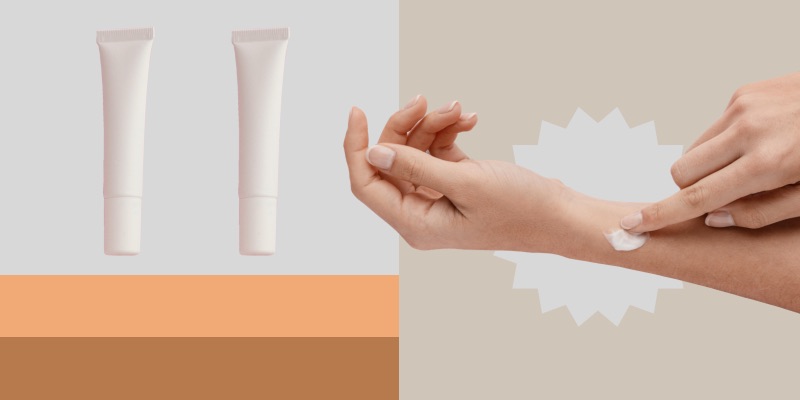
- Select a Small Area: Choose a discreet area of your skin, like the inside of your wrist or behind your ear, for the patch test.
- Clean the Area: Ensure that the selected skin area is clean and dry before applying the product.
- Apply the Product: Use a small quantity of the product on the chosen area. A minimal amount is sufficient to observe any reactions.
- Observe and Wait: Leave the product on your skin for 24 hours, monitoring for any signs of irritation, such as redness, itching, or burning.
- Evaluate the Results: If any adverse reactions occur, remove the product immediately and rinse the area with water. If no reaction is observed, the product is likely safe for your use.
Performing a skin-care patch test is a quick and crucial step in your skincare routine. It safeguards your skin from potential irritants and allergic reactions. Although it might seem like a small measure, patch testing can prevent significant skincare issues, making it an indispensable practice when trying new products.
This article is for general information only and is not a substitute for professional medical advice, diagnosis, or treatment. If you have concerns about your skin, talk to a doctor or a board-certified dermatologist. Read our Sources and medical disclaimer.
Sources
- Contact dermatitis to personal care products is increasing (but different!) in males and females: North American Contact Dermatitis Group data, 1996-2016 (pubmed.ncbi.nlm.nih.gov)
- Allergens in Cosmetics (fda.gov)
- Patch tests (ncbi.nlm.nih.gov)
- Study of the usefulness of patch testing and use test to predict the safety of commercial topical drugs (pubmed.ncbi.nlm.nih.gov)
- Common Allergens Identified Based on Patch Test Results in Patients with Suspected Contact Dermatitis of the Scalp (ncbi.nlm.nih.gov)